Vehicle roster and maintenance interval setup
Confirm applicability and scope for the specific vehicle before work begins.
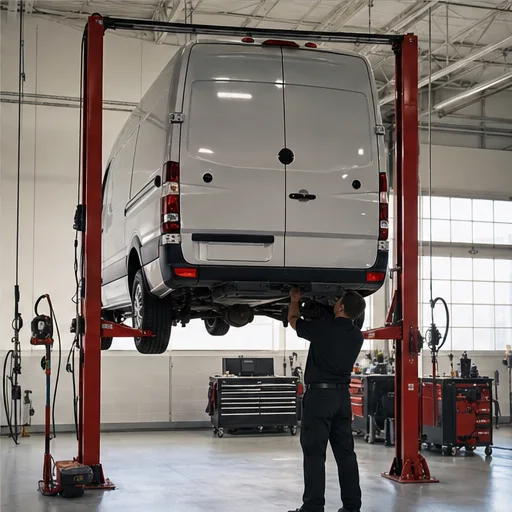 DEMONSTRATION PHOTOGRAPHY
SERVICE / 09LONDON, ONTARIO
Planned around uptime
Preventive maintenance, inspection reporting, scheduling, and priority tracking. Start with what changed; use inspection and testing to define what comes next.
Fictional service page · no diagnosis, price, outcome, or availability is guaranteed.What brings drivers here
A useful appointment request describes conditions—not conclusions. Note when the concern happens, what makes it better or worse, and whether any warning appears.
Describe the concern ↗Maintenance is reactive or records are spread across systems
Drivers report concerns without enough detail
Vehicle downtime disrupts routes or staffing
Inspection priorities are hard to compare across vehicles
The fleet needs a consistent authorization and reporting process
What the service may include
Actual tests depend on the vehicle, access, findings, equipment, and authorization. This list is a configurable demonstration—not a fixed promise.
Confirm applicability and scope for the specific vehicle before work begins.
Confirm applicability and scope for the specific vehicle before work begins.
Confirm applicability and scope for the specific vehicle before work begins.
Confirm applicability and scope for the specific vehicle before work begins.
Confirm applicability and scope for the specific vehicle before work begins.
From observation to option
Structured maintenance and concern reporting can make downtime more predictable. A real program must match the fleet’s vehicles, duty cycles, regulations, and operational needs.
Web content cannot determine whether a vehicle is safe to drive. Stop when safe and seek qualified advice if control, braking, temperature, oil pressure, smoke, severe noise, or drivability changes suddenly.
Confirm fleet types, use, intervals, contacts, and constraints.
Build a practical service cadence around operations.
Use consistent findings and priority categories.
Track recurring concerns and upcoming work with the fleet contact.
Plain-English next steps
Good service content leaves room for testing, monitoring, staged work, and referral—not just replacement.
A preventive schedule may be established by vehicle group.
Existing records may be consolidated into a starting plan.
Unsupported vehicle sizes or work may need referral.
Reporting and authorization can be configured to the business.
Northline Auto Works is a fictional single-location shop. This demonstration page serves London, Byron, Lambeth, Hyde Park, Masonville, St. Thomas, Dorchester, Komoka, Delaware, and Strathroy without claiming a physical location in each community.
Fleet
These answers are educational template copy. Real policies, capabilities, fees, parts, and timing must be confirmed with the client.
Replace this with the client’s verified capacity, vehicle-size limits, bay access, scheduling model, and account requirements.
Only publish confirmed options. The template can present reserved blocks, drop-off, pickup, or mobile support when the real shop offers them.
This demo shows a visual reporting concept. Define the actual checklist, delivery format, retention, and integration before launch.
A CRM-connected version can route driver reports to the right contact. Permissions, privacy, urgency, and authorization rules should be configured first.
Start with the concern
Good diagnosis begins with useful context. Share the vehicle, the symptom, and when it happens. A live shop would review the request before confirming timing.
This demonstration form is not connected to a live CRM or repair-shop management system. No information is transmitted or stored.