Digital inspection workflow
A visual example of how findings could be organized.
43.0096° N81.2737° WLONDON / ON
Full-service automotive repair and advanced diagnostics for London drivers—organized around the symptom, the evidence, and the decision in front of you.
SERVICE INTAKE / DEMO
A visual example of how findings could be organized.
Immediate, future, and monitor categories in plain language.
Example template language—confirm a real shop’s vehicle coverage.
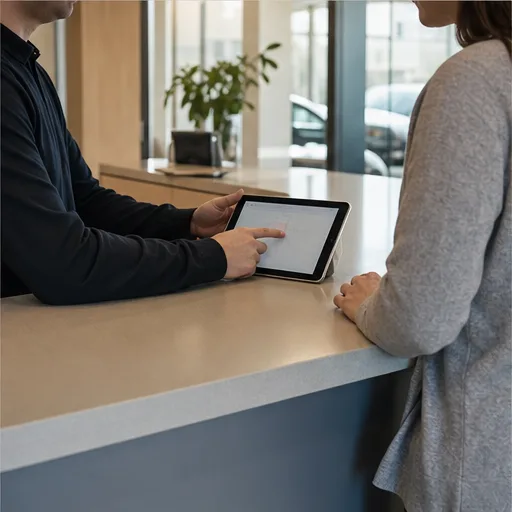
Illustrates an approval checkpoint before example work begins.
Start where the driver starts
You do not need to name the repair. Choose the closest symptom and we will point you to a sensible next step.
This is navigation—not a mechanical diagnosis.
Full-service care
Each substantial service page begins with symptoms, explains the inspection path, and makes room for uncertainty—because good automotive copy should never pretend to diagnose from a screen.
 01
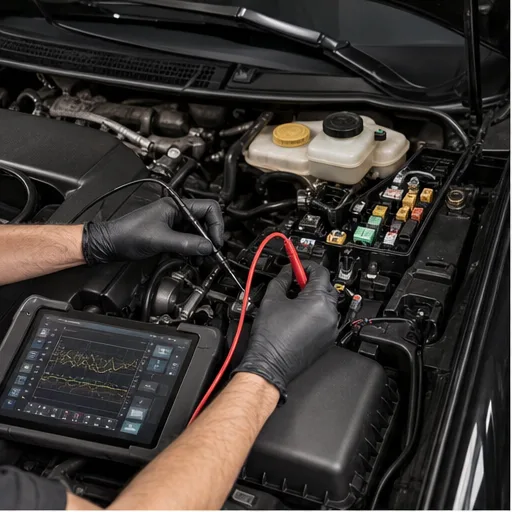
01Warning lights, electrical faults, starting problems, and intermittent concerns.
Explore service ↗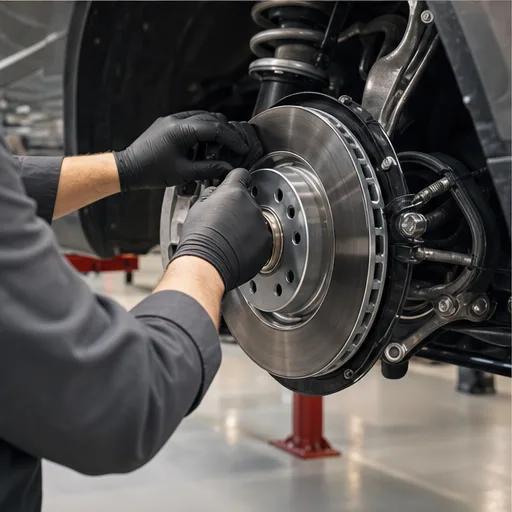 02
02Noise, vibration, pedal changes, warning lights, and wear assessment.
Explore service ↗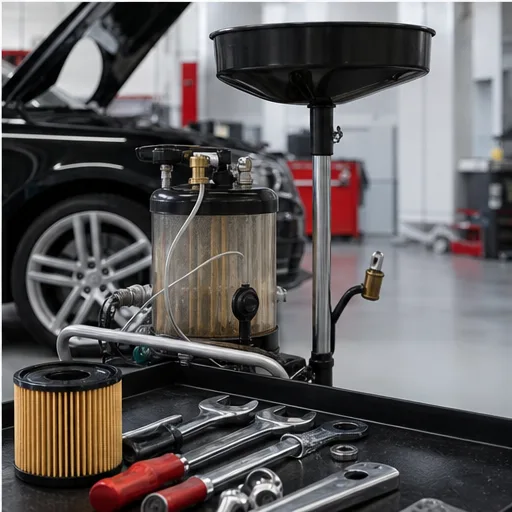 03
03Oil service, inspections, filters, fluids, and mileage-based planning.
Explore service ↗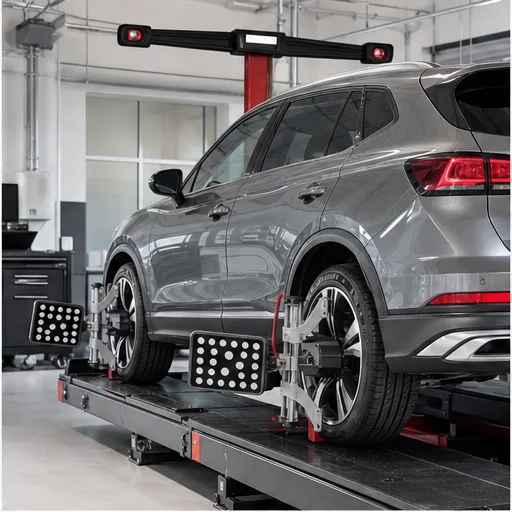 04
04Uneven wear, seasonal tires, vibration, pulling, and alignment measurement.
Explore service ↗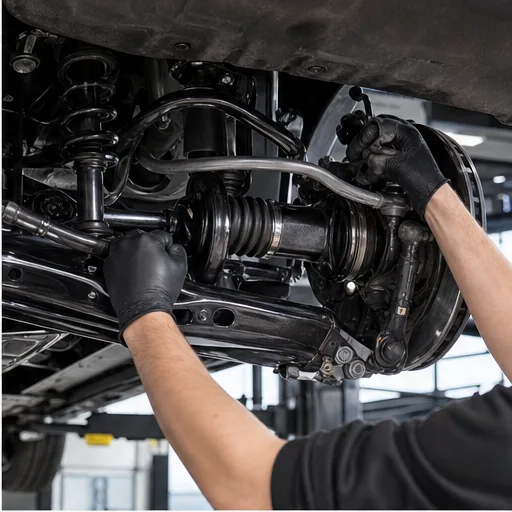 05
05Clunks, looseness, pulling, bouncing, uneven wear, and ride-height concerns.
Explore service ↗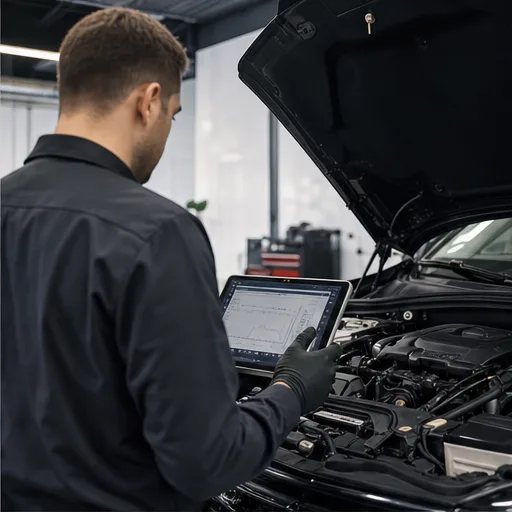 06
06Overheating, leaks, odours, noise, misfires, power loss, and fluid concerns.
Explore service ↗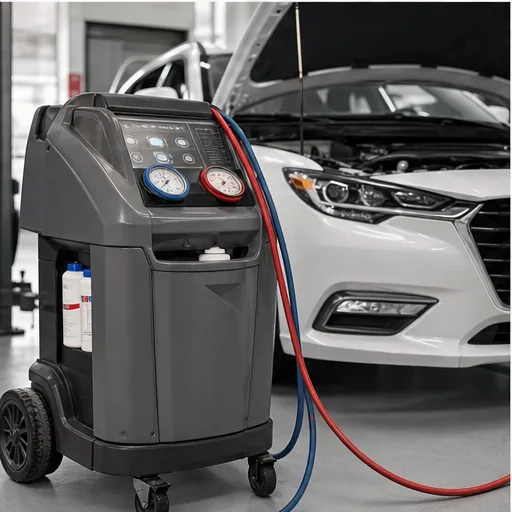 07
07Weak heat, warm A/C, airflow problems, odours, noises, and defrost concerns.
Explore service ↗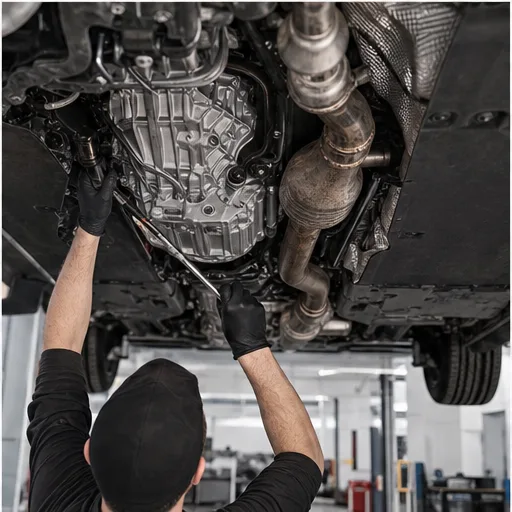 08
08Shifting changes, vibration, leaks, noises, and power-delivery concerns.
Explore service ↗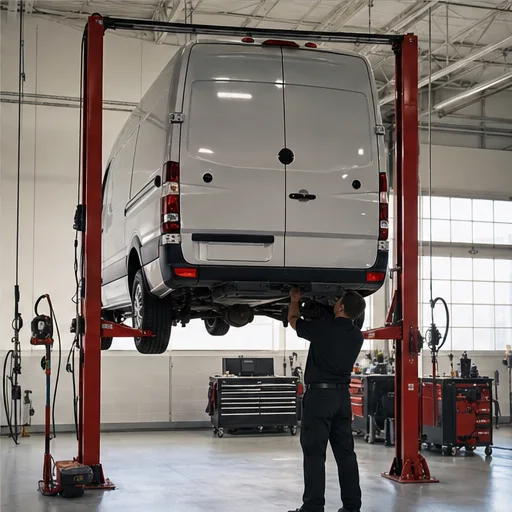 09
09Preventive maintenance, inspection reporting, scheduling, and priority tracking.
Explore service ↗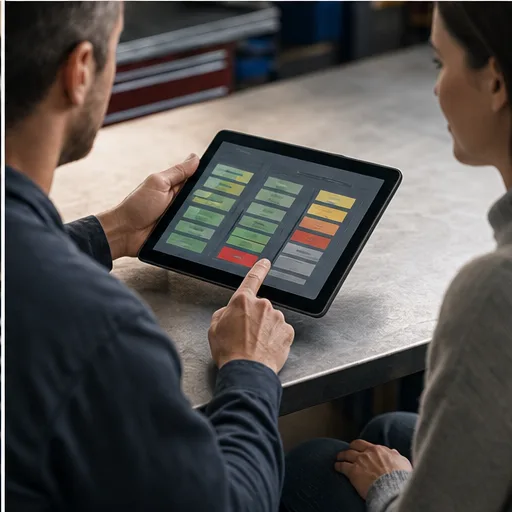
A transparent service experience
Document the concern in the driver’s words and capture when it happens.
Begin with condition, safety, and the systems connected to the symptom.
Use targeted testing to move from possibilities toward evidence.
Translate findings into plain language, priorities, and options.
Pause at the decision point before example work begins.
Finish the approved scope and check the original concern.
Example interface
Visual demonstration only. This interface does not connect to shop-management software, and every finding below is fictional.
 EXAMPLE REVIEW
Example note: front component measurements are shown near the fictional service threshold. Confirm specifications and options.
Example note: wear is even, with remaining depth to monitor before the next seasonal change.
Example note: accessible hoses and coolant level checked during this visual demonstration.
Three fictional examples
These invented scenarios show how a real shop could turn technical work into useful, credible proof without promising the same result for every vehicle.
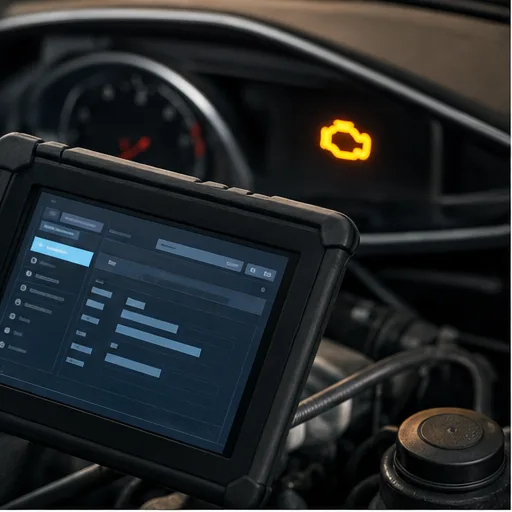 DEMONSTRATION REPAIR FILE
Example resolution: Repair options explained after the cause was isolated—not before.
See related service ↗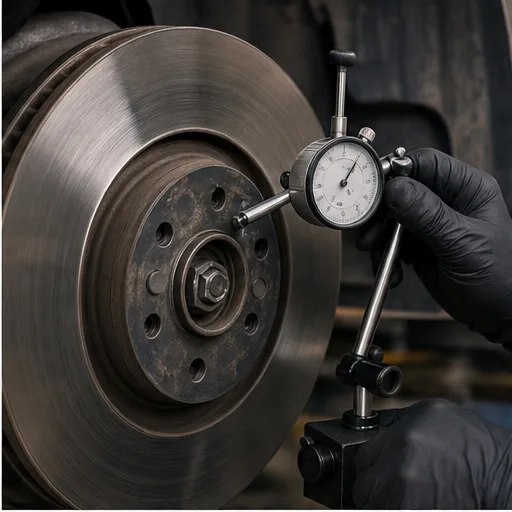 DEMONSTRATION REPAIR FILE
Example resolution: Priorities separated into immediate braking work and related wear items.
See related service ↗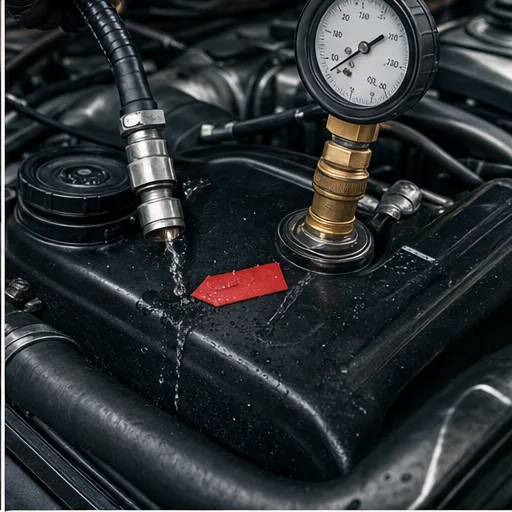 DEMONSTRATION REPAIR FILE
Example resolution: A repair path presented with post-repair verification steps.
See related service ↗Build the inspection brief
This informational demonstration organizes a conversation. It does not read manufacturer schedules, inspect the vehicle, or provide mechanical diagnosis.
Designed around the work
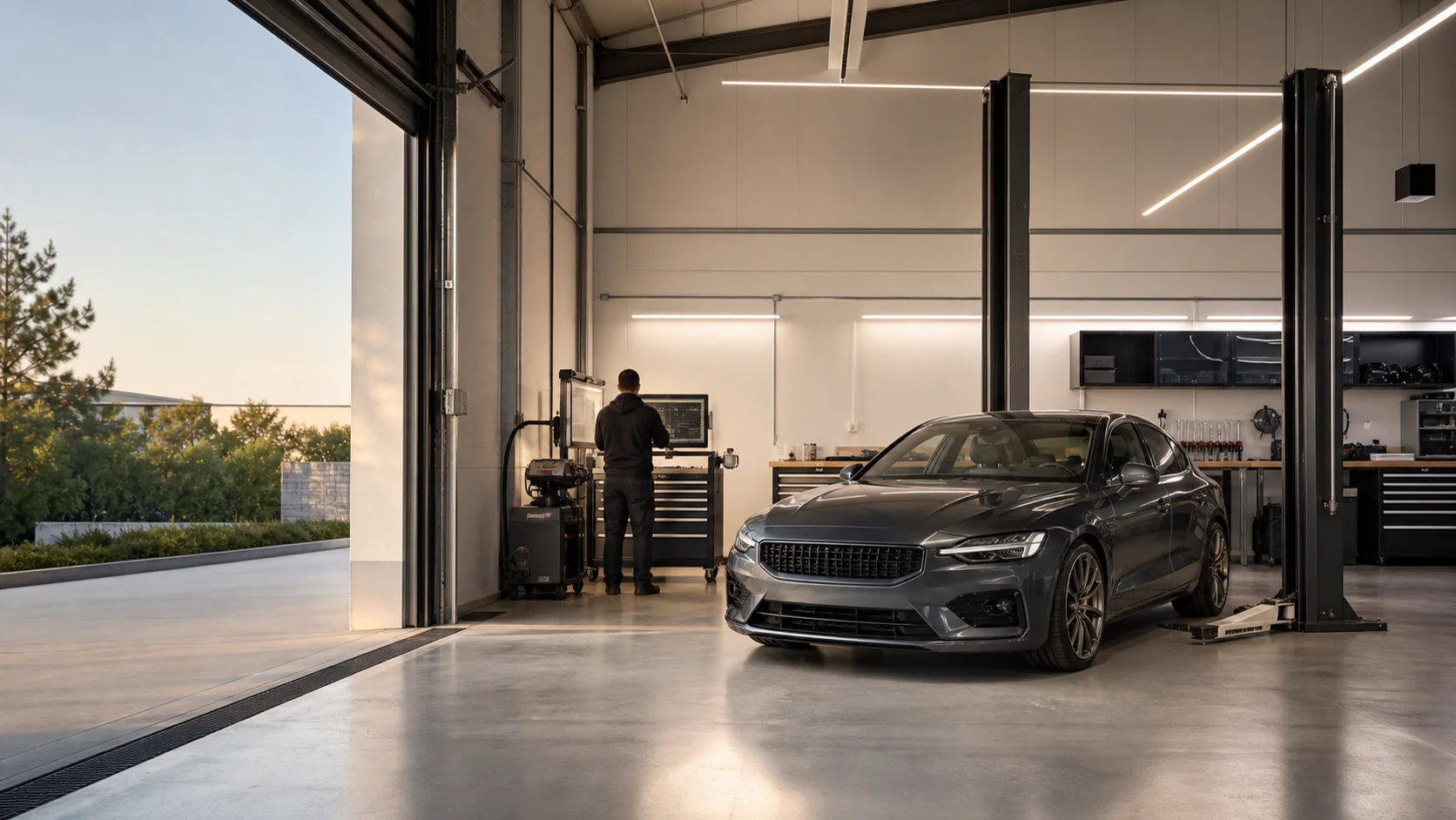
Demonstration photography and content showing how a real facility could present cleanliness, organization, vehicle care, and customer communication.
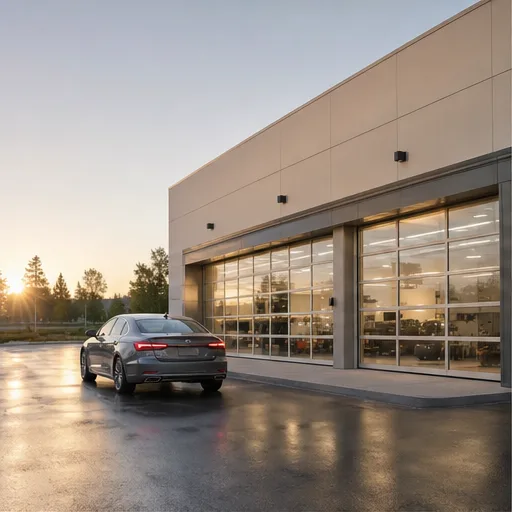
Clear wayfinding and a calm first impression.
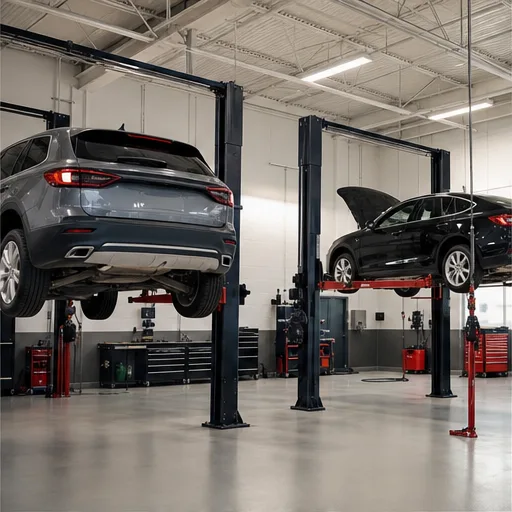
Space, lighting, and access organized around inspection.
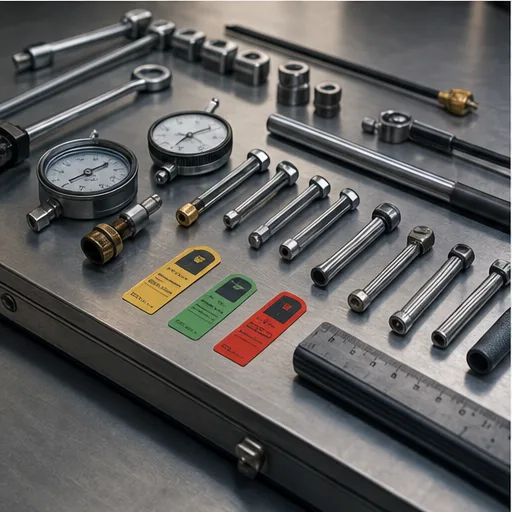
Tools arranged for repeatable work and clear documentation.
Fictional profile demonstration
Names, credentials, roles, years of experience, and biographies must be replaced with verified client information before a live launch.
 PROFILE 01 · DEMONSTRATION
A demonstration profile showing how a shop could introduce its diagnostic approach, specialties, and communication style.
Placeholder copy for the person who listens, documents concerns, and walks customers through priorities and options.
Use real names, current roles, approved biographies, and verified credentials only after client review.
No stars, platform badges, review counts, or real names are used in this fictional layout.
“The explanation was organized around what needed attention now, what could wait, and what to watch. I never felt rushed into a decision.”
Demonstration customer · London
Replace with a verified customer review.“The photos and plain-English notes made the recommendation easy to understand. The whole experience felt unusually considered.”
Demonstration customer · Byron
Replace with a verified customer review.“They started with the symptom instead of guessing at a repair. That made the next step feel sensible and transparent.”
Demonstration fleet contact · St. Thomas
Replace with a verified customer review.London, Ontario and nearby communities
This template is written for a shop physically located in London—not for fake locations in every community. Confirm the actual customer area and towing or transport limitations before launch.
Before you hand over the keys
Every answer is template content. A real shop should approve its policies, pricing language, scheduling, and repair standards before publication.
This template can be configured for phone, email, online scheduling, or CRM routing. The demonstration form validates in the browser but sends and stores nothing.
Diagnostic fees vary by shop, vehicle, and concern. Replace this answer with the client’s verified pricing approach and explain what the initial assessment includes.
Some lights indicate an urgent risk while others do not. Avoid guessing from a webpage. If the vehicle feels unsafe, is overheating, has low oil pressure, or a warning is flashing, stop driving when safe and seek qualified advice.
Configure this answer around the client’s real estimate and authorization process. The example workflow shows findings, priorities, options, and an approval checkpoint.
Parts availability and suitability depend on the repair. A real shop should explain the options it offers, why it recommends them, and any verified warranty terms.
Replace this content with the client’s actual key-drop, parking, security, and pickup instructions. Do not publish an after-hours process until it is confirmed.
Start with the vehicle manufacturer’s schedule and the vehicle’s actual service history. Driving conditions, age, kilometres, and inspection findings may influence planning.
This demonstration includes a fleet service page. A live version should list the shop’s verified vehicle-size limits, scheduling options, reporting, and account terms.
Policies differ because fitment, quality, labour coverage, and liability must be considered. Replace this answer with a clear, client-approved policy.
The example experience pauses for an updated explanation and authorization. Configure the live site to match the client’s actual communication and approval process.
Start with the concern
Good diagnosis begins with useful context. Share the vehicle, the symptom, and when it happens. A live shop would review the request before confirming timing.
This demonstration form is not connected to a live CRM or repair-shop management system. No information is transmitted or stored.